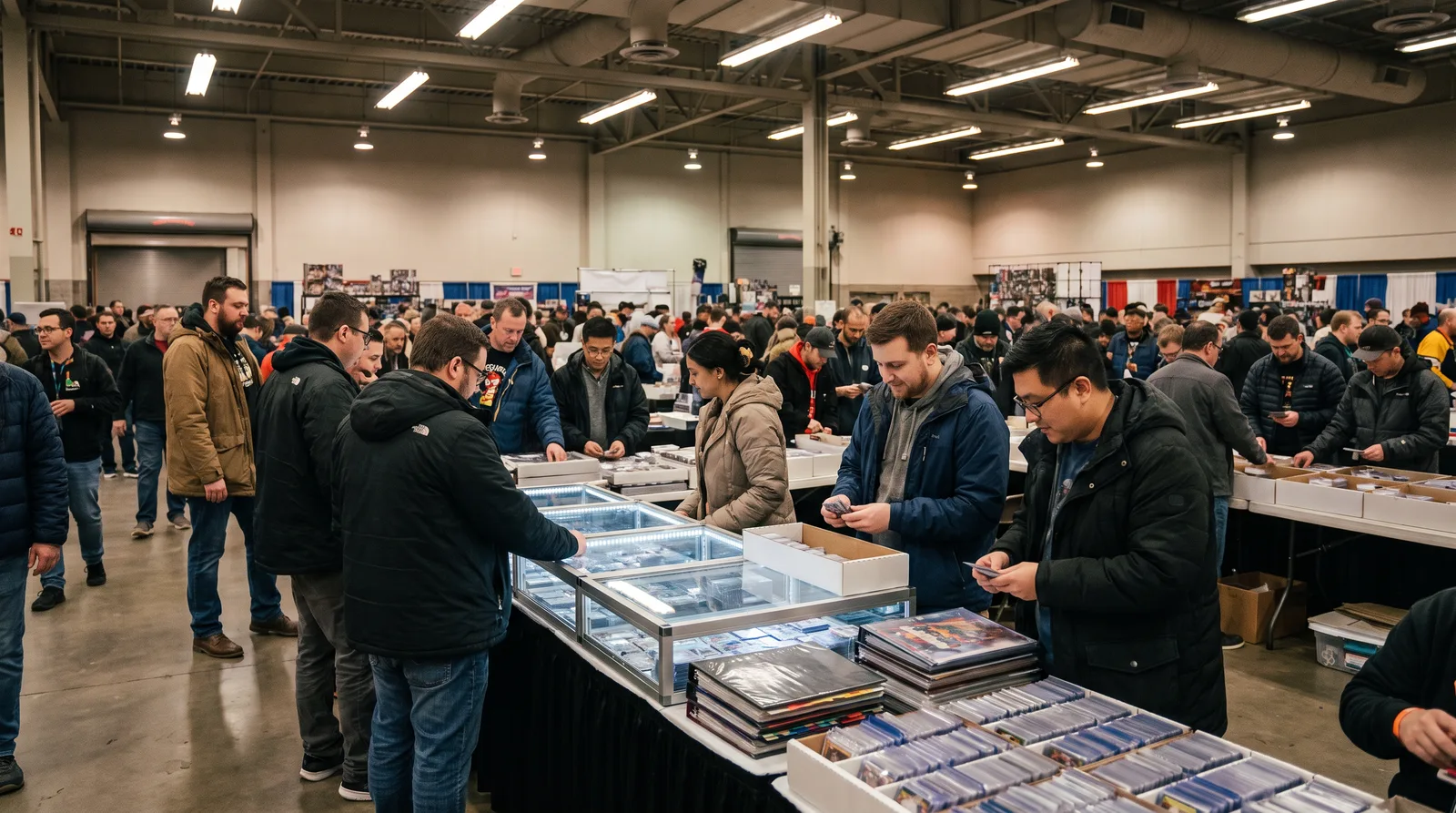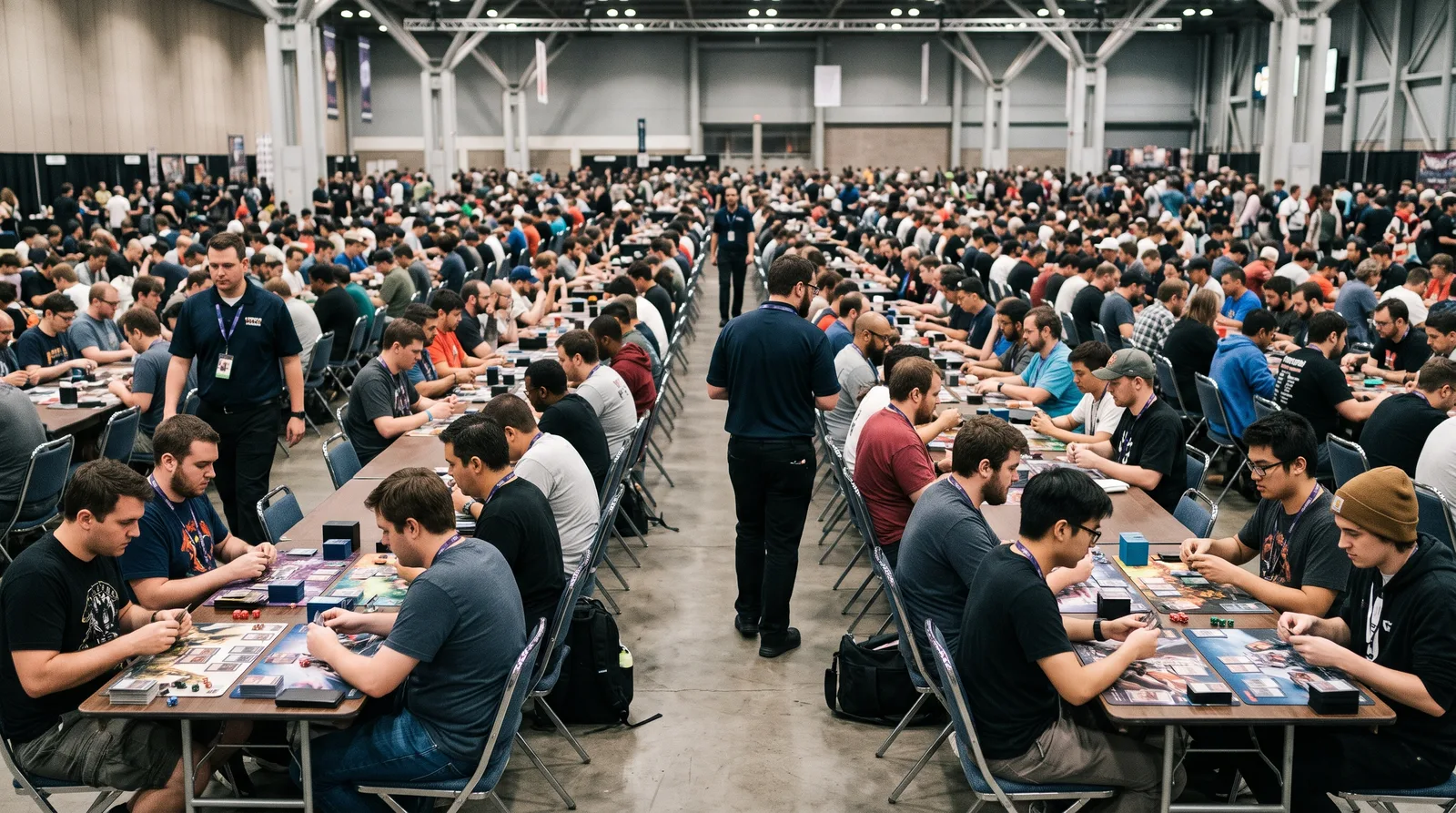

Card shows run almost every weekend across the US and Canada, from small hotel ballroom shows to convention halls with hundreds of tables. The easiest way to find one near you is a show calendar, local card shops, and the organizers' social pages. Bring cash, a phone with price data, and a clear idea of what you want.
How to find a show
- Use a show calendar. Our card show calendar lists more than 1,200 shows between now and the end of the year, across over 600 cities, with dates and venues.
- Ask your local card shop. Shops know the regional shows and often have tables at them. Find one in our card shop directory.
- Follow organizers. Most show series announce dates on Instagram and Facebook first.
- Look at regional tournaments. Big Pokémon events draw vendors and collectors too, and many run a trading area.
Types of shows
Small local shows. A few dozen tables in a hotel or community hall. Low entry fees, friendly vendors, mostly mid-range cards. Good for a first show.
Regional shows. One to two hundred tables, often monthly or quarterly. A wide mix of raw, graded and sealed product.
Large conventions. Hundreds of tables over a full weekend, with big vendors, grading company booths, and high-end cards. Busy, and worth planning for.
What to bring
- Cash. Many vendors take cards and phones, but cash still gets better deals and faster ones.
- Your phone, charged. You will check prices constantly. Bring a battery pack.
- A want list. Cards and grades you are looking for, with your top price for each.
- Trade stock in toploaders or a binder, if you plan to trade.
- Penny sleeves and toploaders for anything you buy.
Buying on the floor
Look at the card, not the label. Check raw cards under the light for scratches, whitening and centering. Our condition guide shows what to look for.
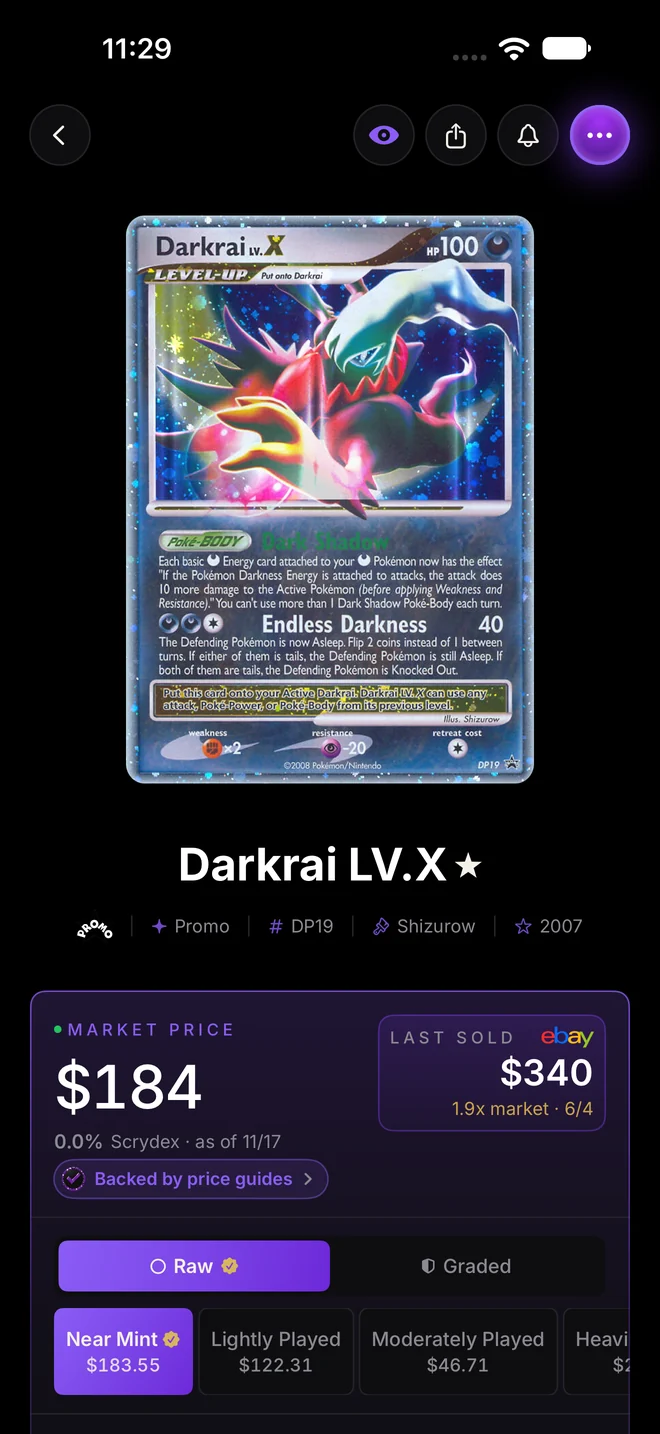
Know the market price. Vendors price from what cards sell for, often a little above. Check recent sales before you make an offer, not the highest listing.
Make a fair offer. Offers around 10 to 15% under the sticker price are normal on bigger cards. Bundling several cards from one vendor helps.
Check slabs. Look up the cert number on the grading company's site before buying anything expensive. See our guide to spotting a fake.
Selling or trading
Vendors buy cards to resell, so expect offers below market. For raw cards, 60 to 80% of market is common. For high-demand graded cards, offers can be closer to market. Trading usually gets you more value than selling for cash, because vendors give more in trade credit. For other ways to sell, read where to sell Pokémon cards.
Timing
Arrive early for the best selection, since good cards sell in the first hour. Stay late for the best deals, when vendors would rather sell than pack up.

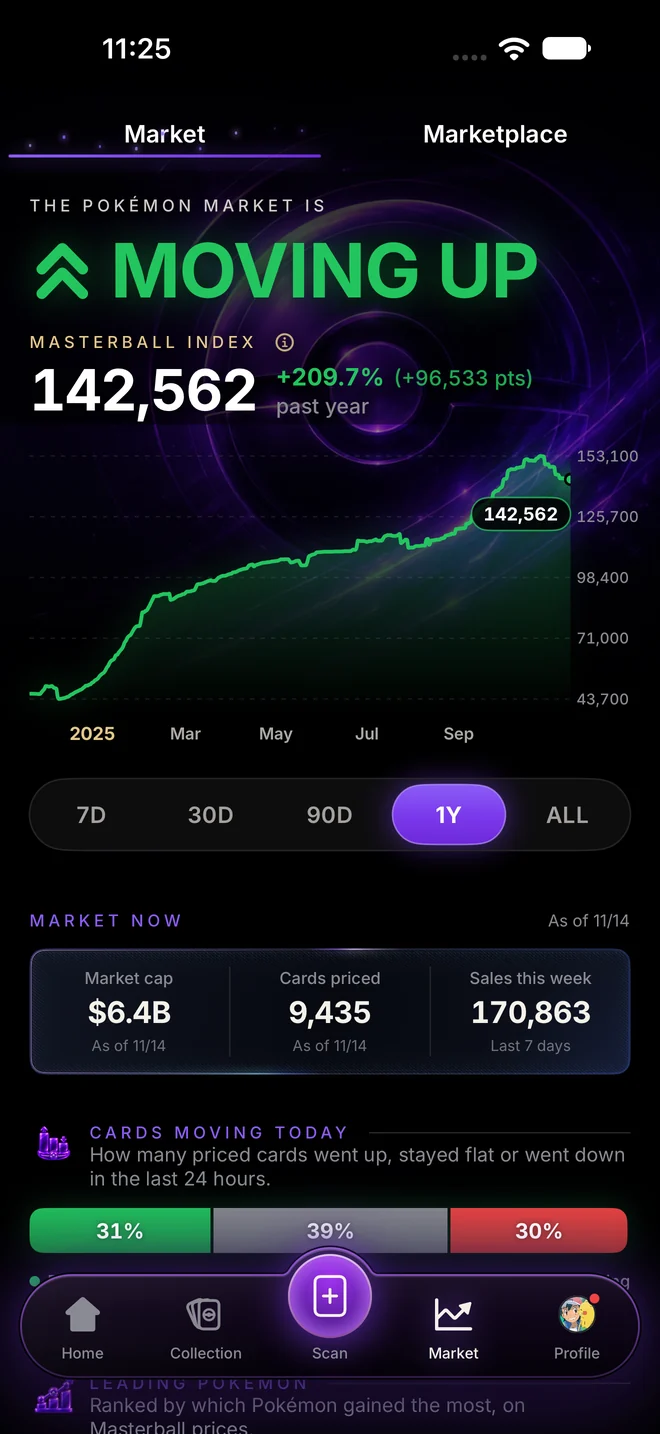
Masterball lists card shows near you in the Social tab and can remind you the week before. At the show, scan any card to see its recent sale prices before you make an offer.