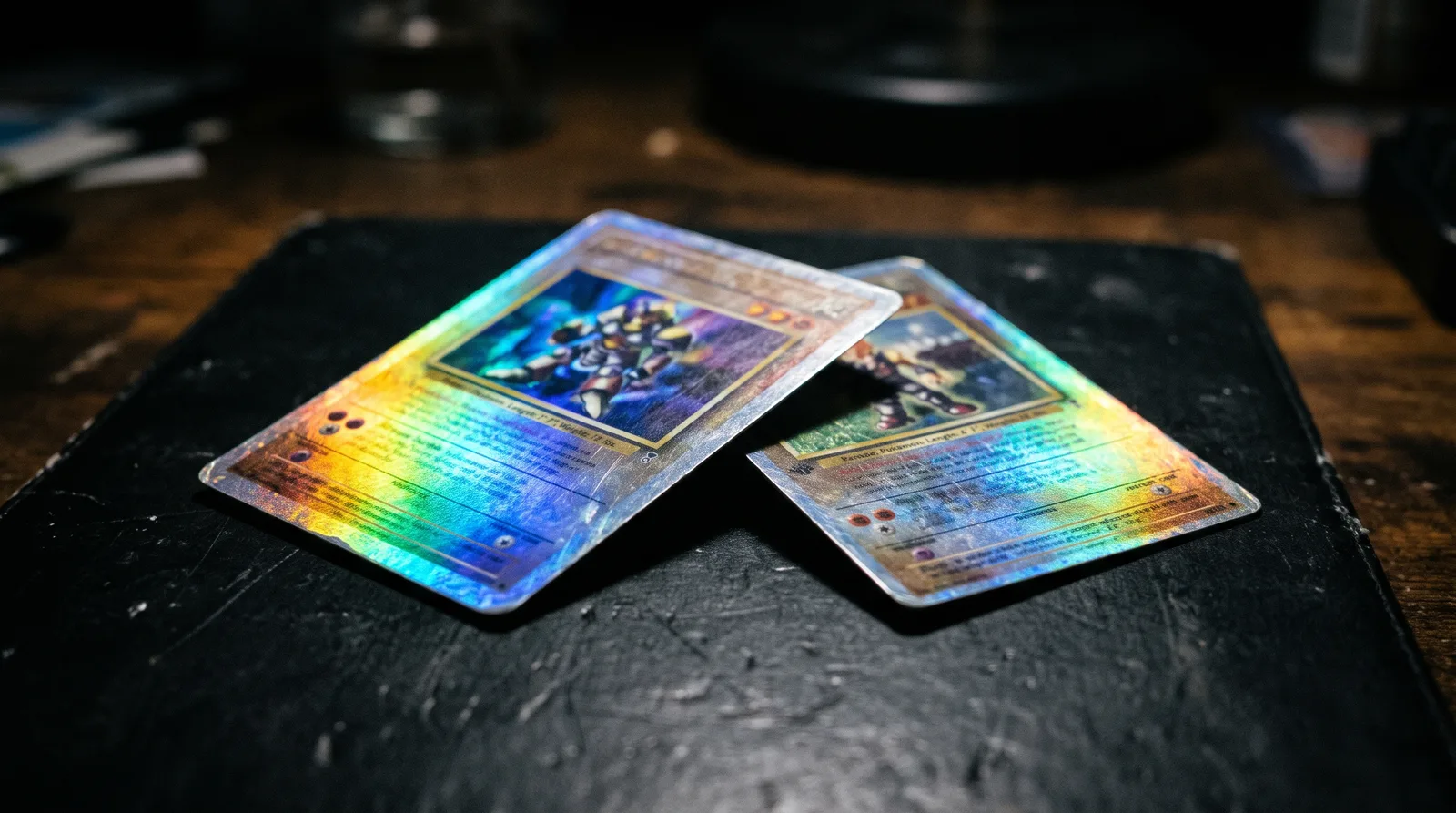
Japanese and English Pokémon cards share the same art, but they come out in different sets, at different times, in different packs. Japanese sets arrive months earlier, Japanese packs hold 5 cards instead of 10, the rarity marks use letter codes, and the card backs are different. Neither is better. It depends on what you want to collect.
Release timing
Japan gets every set first, usually two to four months before the English version. English sets often combine two Japanese sets into one, or split them differently, so the card list and numbering do not line up one to one.
For example, the English 30th Celebration set has 128 main cards, while its Japanese counterpart, M6a, has 103. Pitch Black was based on the Japanese set Abyss Eye.
The 30th Celebration set breaks the pattern: it is set to launch worldwide on the same day, September 16, 2026, a first for the game.
Packs
| Japanese | English | |
|---|---|---|
| Cards per pack | 5 | 10 |
| Packs per booster box | usually 30 | usually 36 |
| Box price | usually lower | usually higher |
Japanese packs are smaller and often cheaper per pack. Many collectors say the pull rates feel better, though it depends on the set.
Rarity codes
English cards use symbols. Japanese cards print a letter code:
| Japanese | English equivalent |
|---|---|
| C | Common |
| U | Uncommon |
| R | Rare |
| RR | Double Rare (ex) |
| AR | Illustration Rare |
| SR | Ultra Rare (full art) |
| SAR | Special Illustration Rare |
| UR | Hyper Rare (gold) |
| MUR | Mega Hyper Rare |
See our full guide to Pokémon card rarity symbols for the English side.
Card backs and feel
Japanese cards have a different back design, and many collectors find the cardstock and print quality more consistent, with better centering. A different back on a Japanese card is normal, not a sign of a fake.
Price
Prices vary card by card, but some patterns hold:
- Modern Japanese cards are usually cheaper than the English version raw, because Japanese product is cheaper and more plentiful.
- Graded modern Japanese cards can be close to English, since better centering means more 10s.
- Some vintage Japanese cards are worth more than English, especially promos and early sets that were never printed in English.
Which should you collect?
- Collect English if you want cards that are easy to resell in the US, or you play the game in English-speaking events.
- Collect Japanese if you love the art, want lower prices on modern chase cards, or want cards that never came out in English.
Many collectors do both, keeping a binder for each.

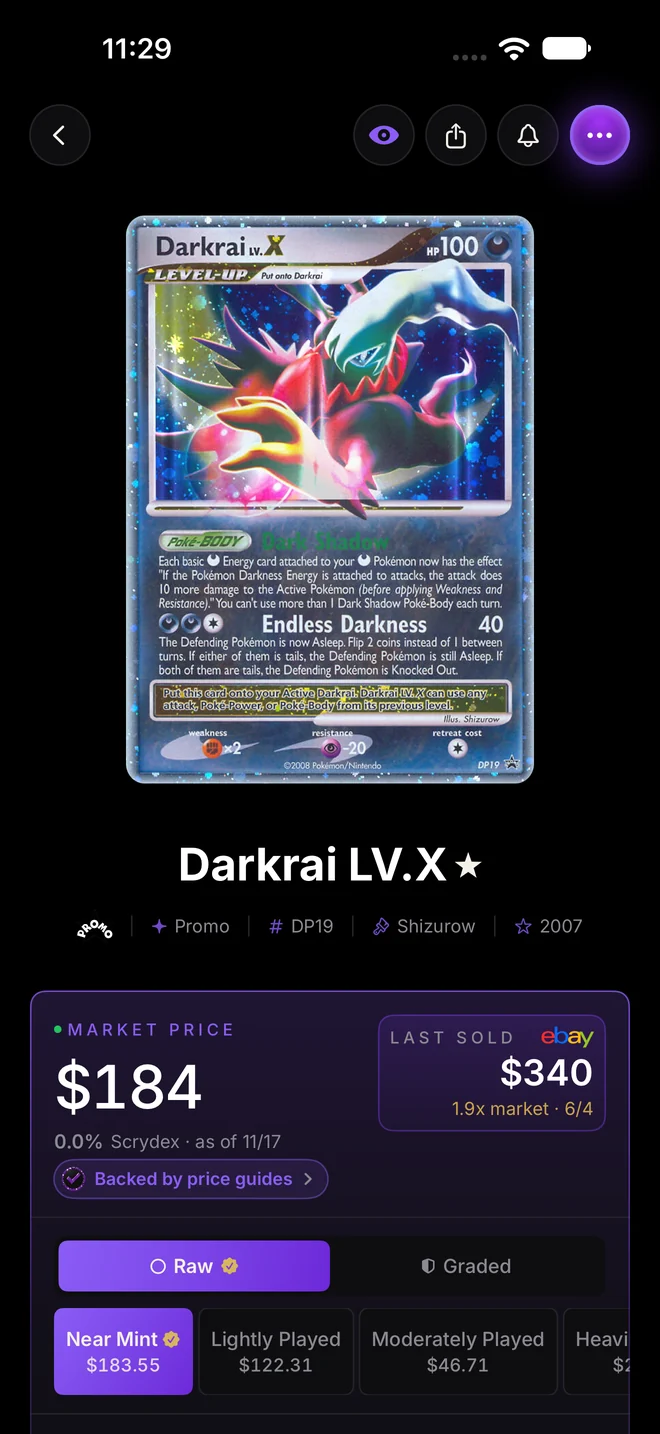
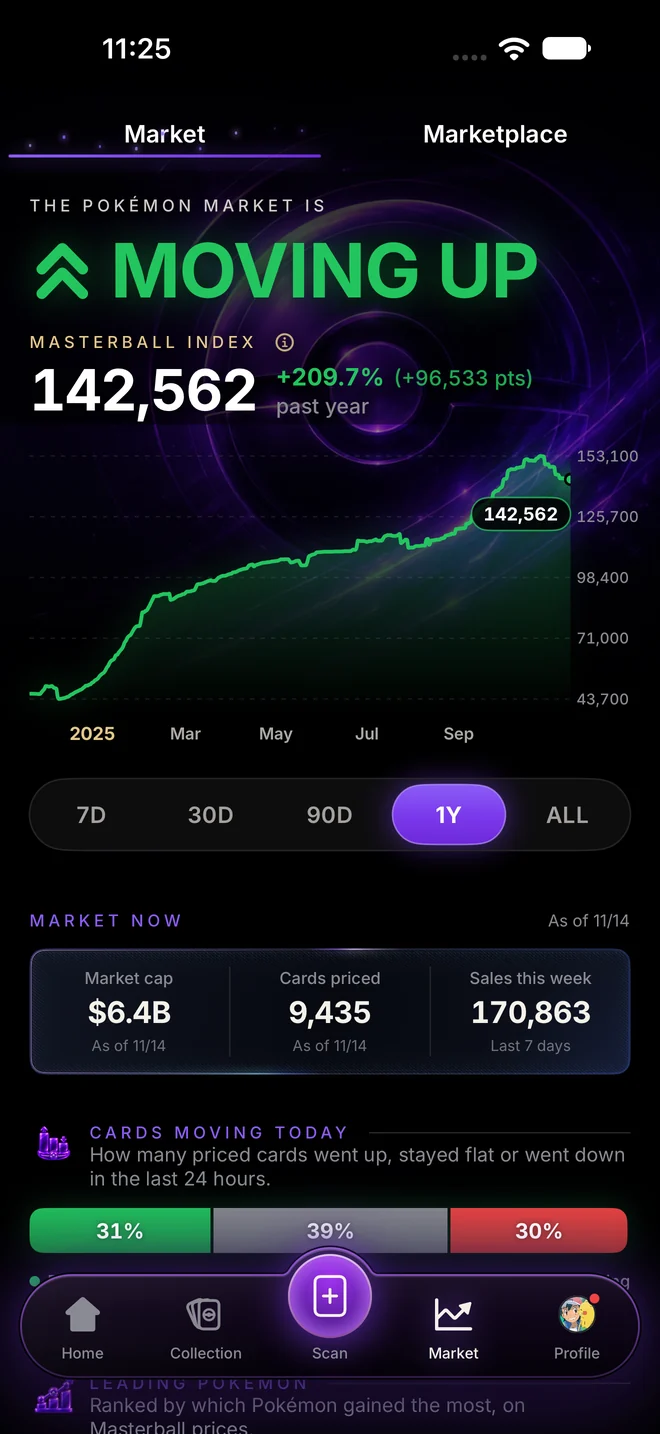
Masterball covers English and Japanese sets. Switch between them in search or the Sets tab, and see prices for each in your own currency.
Where to buy Japanese cards
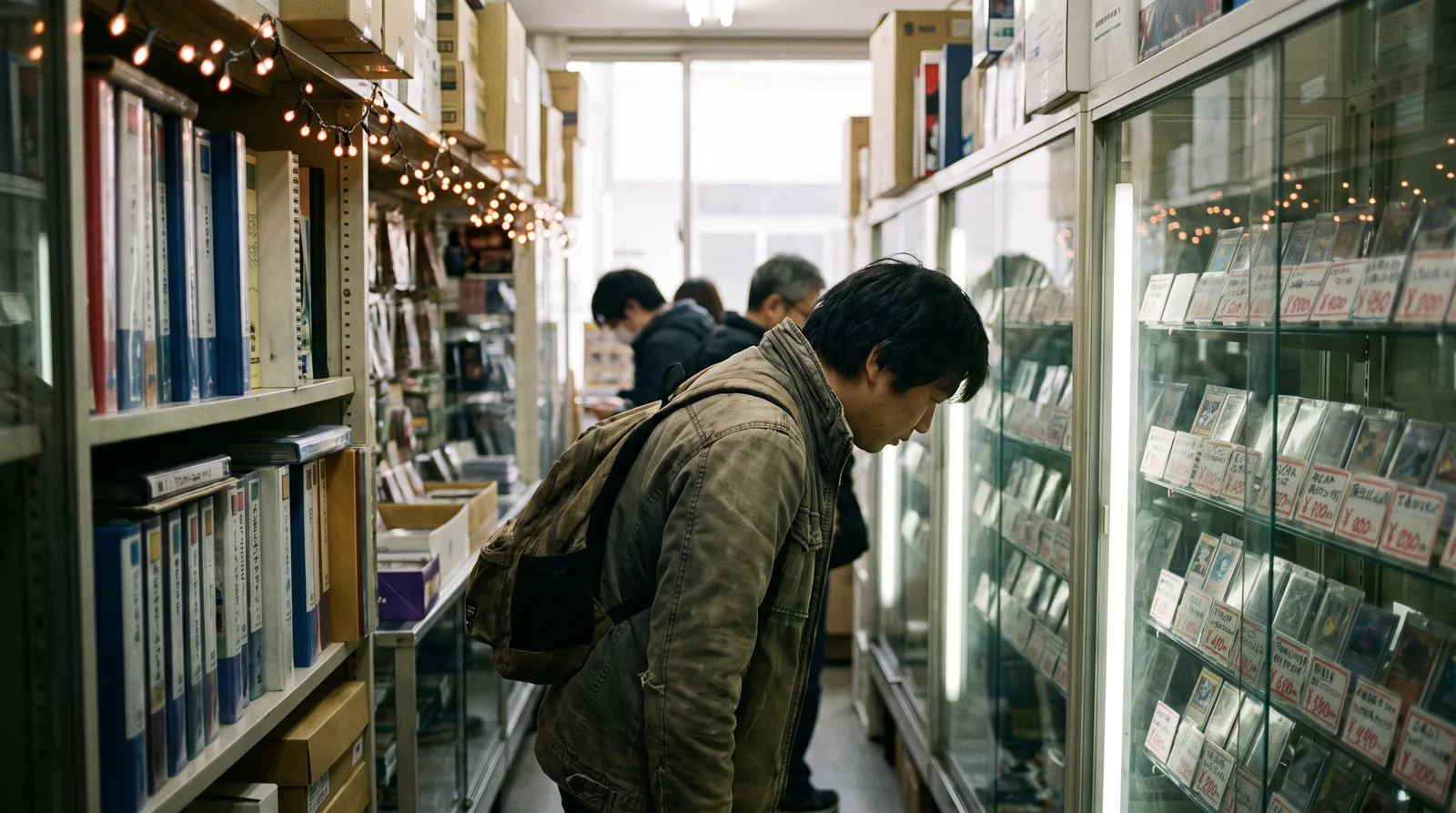
Local card shops increasingly stock Japanese product, and dealers at card shows often carry Japanese singles. Online, buy from sellers who ship from Japan or established importers, and check the card back and font if a price looks too low.