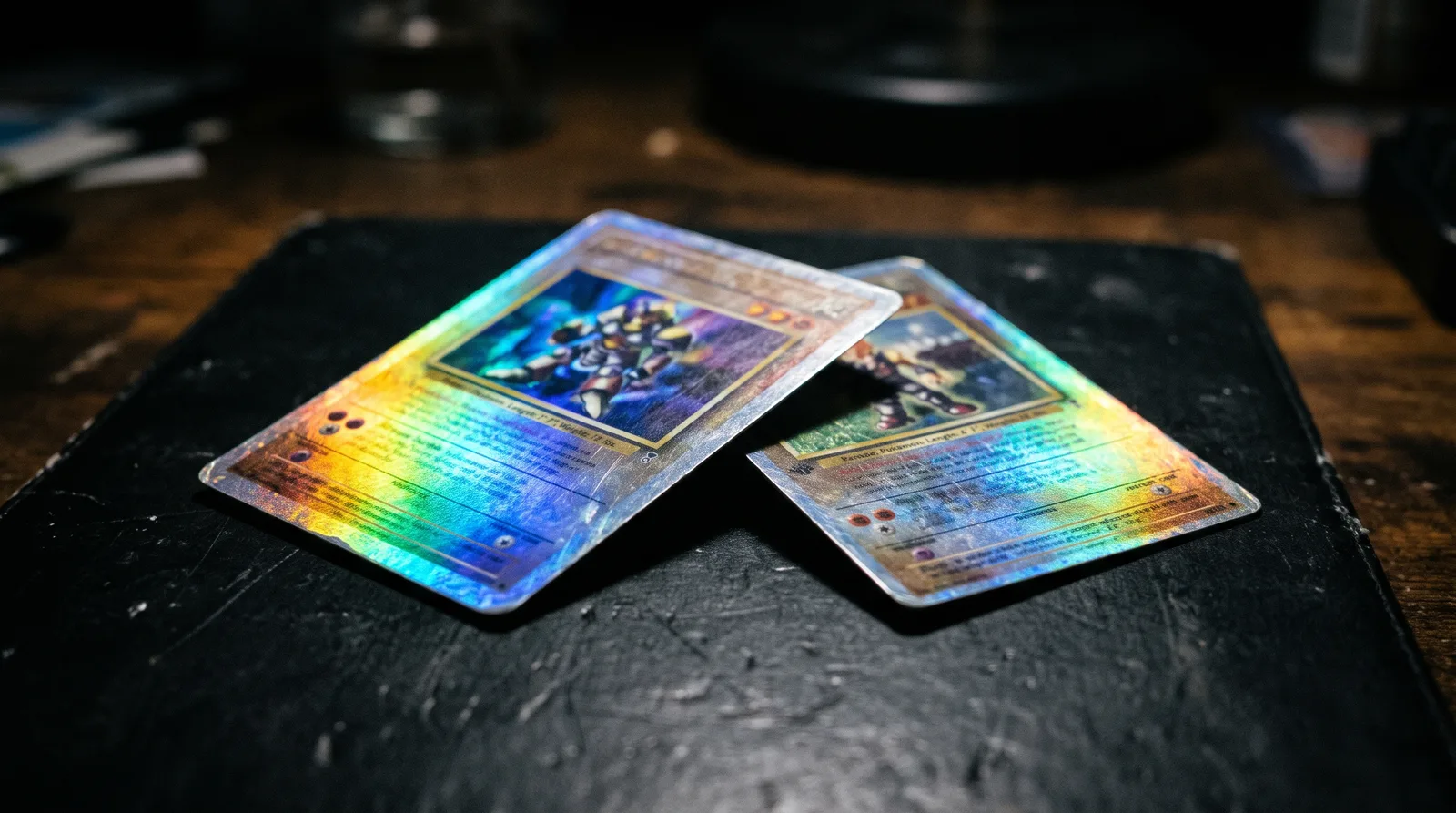
A master set is every card in a set, in every version that was printed in its packs: the main cards, the reverse holos, and the secret rares above the set number. It is always bigger than the number printed on the cards suggests, and the order you collect in makes a big difference to what it costs.
Set, complete set, master set
Collectors use three words for three different goals:
- The main set is the cards numbered up to the total printed on them. For Pitch Black, that is 1 to 84.
- The complete set adds the secret rares numbered above the total. For Pitch Black, that is 120 cards.
- The master set adds the reverse holo version of every card that has one.
How big a master set really is
Take Pitch Black. By our count, 74 of its 84 main-set cards also come in reverse holo. The ten that do not are the Pokémon ex, which are holo only.
Some sets go further, with special reverse patterns, stamped versions sold in certain products, or promos tied to the set. Decide at the start what you are counting, write it down, and stick to it. Many collectors leave promos and store stamps out and call it done.
A sensible order
1. Open a little, then stop
Opening packs is fun and fills the bulk of the set fast. Commons, uncommons and reverse holos come quickly. But after a box or two, you mostly pull duplicates. The cards you are missing get harder to hit, and each new pack does less.
2. Buy the bulk in lots
For commons, uncommons and most reverse holos, buying singles one at a time costs more in shipping than the cards are worth. Look for "complete common/uncommon sets" or reverse holo lots from shops and at card shows. Trading duplicates with friends works too.
3. Buy the chase cards last, as singles
The Special Illustration Rares and hyper rares are where most of the money goes. Buy them as singles, once the release-week rush has passed. Prices on new cards usually ease off in the first weeks as more boxes get opened. Our Pitch Black review shows how much they fell.
4. Leave the most popular card until you see a good copy
Centering and surface quality vary a lot on modern chase cards. If you care about condition, wait for a well-centered copy at a fair price rather than grabbing the first one.
Keep a checklist
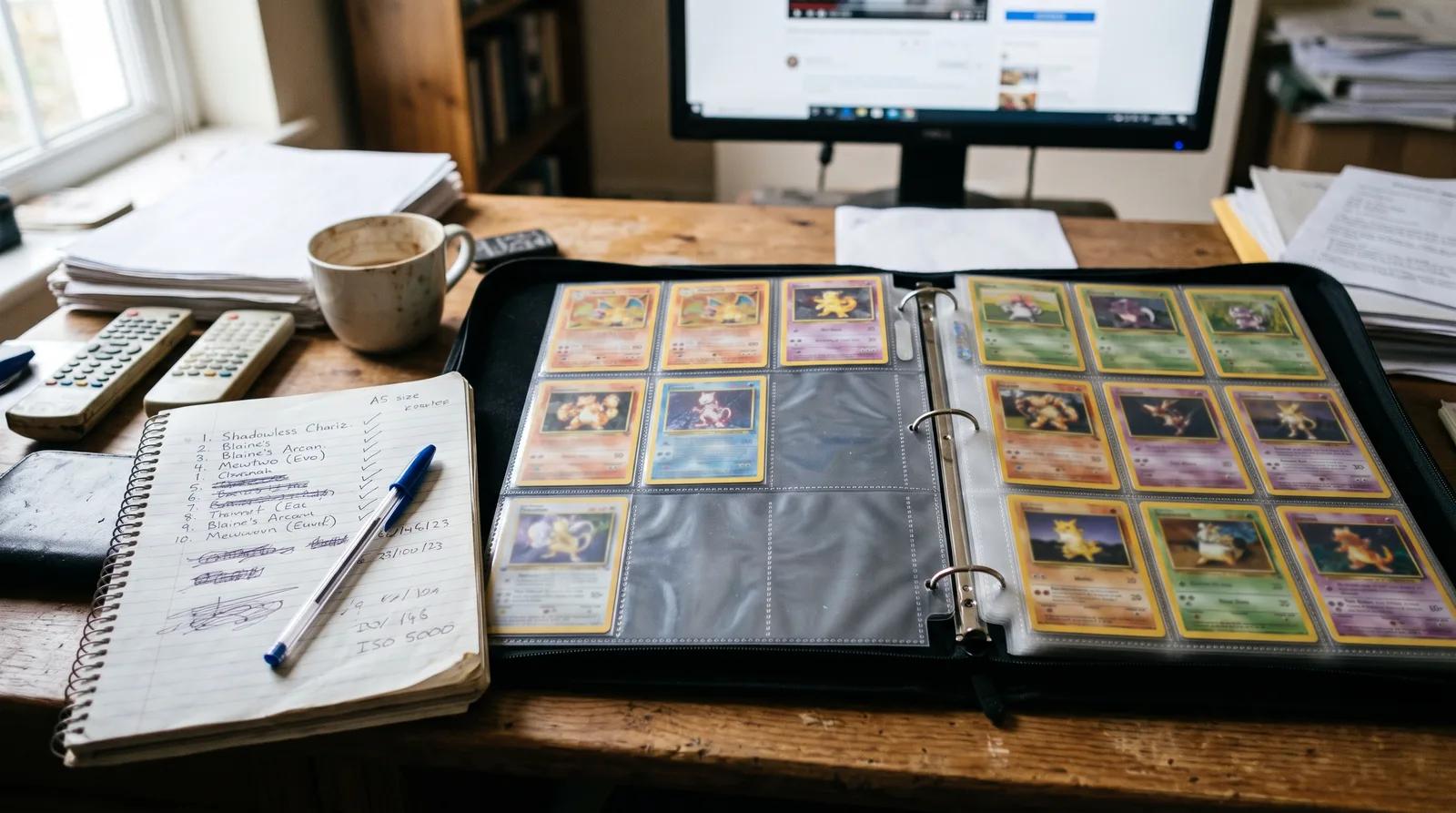
The hardest part of a master set is knowing what you are missing. A paper list works. A spreadsheet works. What does not work is memory, because reverse holos and normal versions of the same card are easy to mix up.

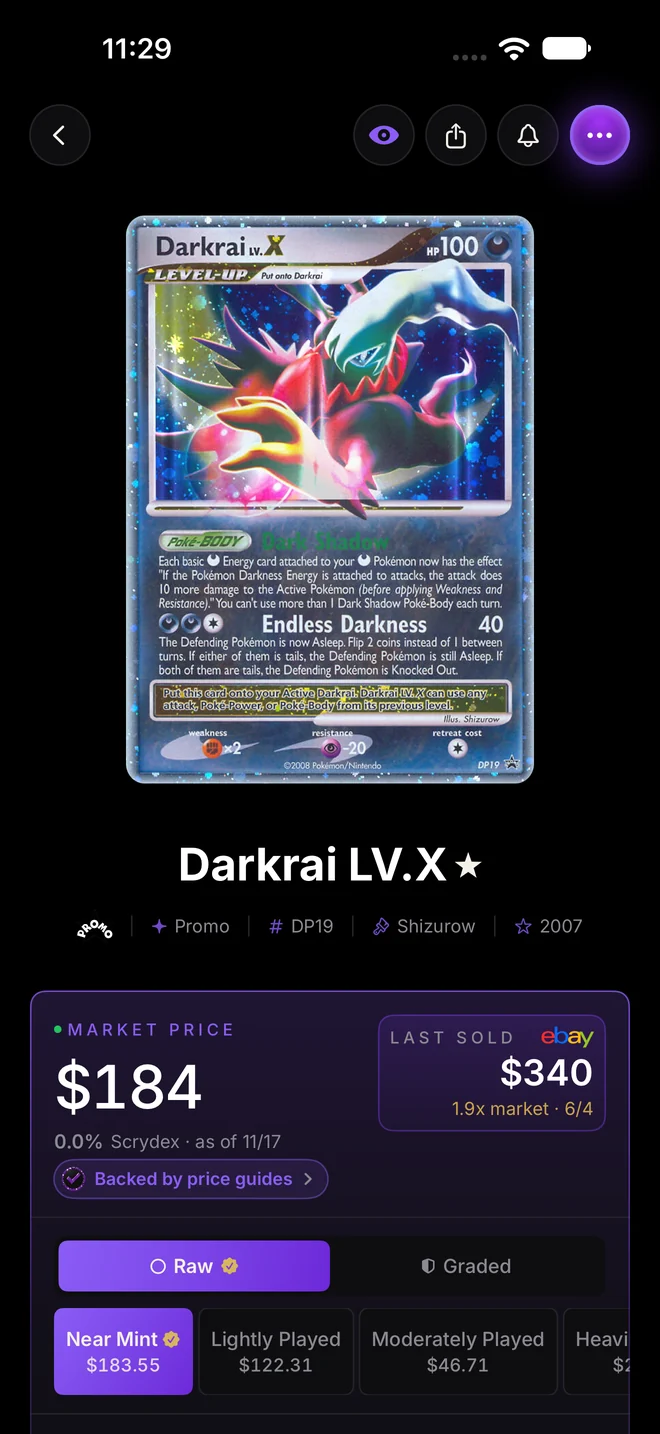
Masterball shows every set as a checklist with each printing listed, marks what you own, and tells you what the missing cards cost right now. It is the quickest way to see whether finishing a set is a $40 job or a $400 one.
How to store a master set
Most collectors use a binder with nine-pocket pages and put the normal and reverse versions side by side. Use side-loading pages and a zip cover, and keep the chase cards in toploaders if they are worth more than about $20. Our guide on how to store Pokémon cards has the details.
Is it worth it?
As an investment, rarely. A finished master set is usually worth less than you paid in packs, and about the same as the singles cost. As a collection, it is one of the most satisfying things in the hobby. Every page full, every pocket matched. Go in for that, and set a budget for the chase cards before you start.